Modeling
The ExpansionPlanningModel class implements a modular Generalized
Disjunctive Programming (GDP) formulation to produce a generalized
model for generation, transmission, and expansion planning (GTEP) for
power infrastructure problems. This formulation is represented as a
dispatch problem integrated within a unit commitment and an investment
problem for a specified representative period. Each of these problems
is considered a “stage” in this formulation and is defined using a
Pyomo Block component.
Figure 1 shows a graphical representation of these stages, including the relevant model components (variables and constraints), and the terms that connect the stages in the formulation. Note in Figure 1 that the commitment stage serves as the primary link between the stages.
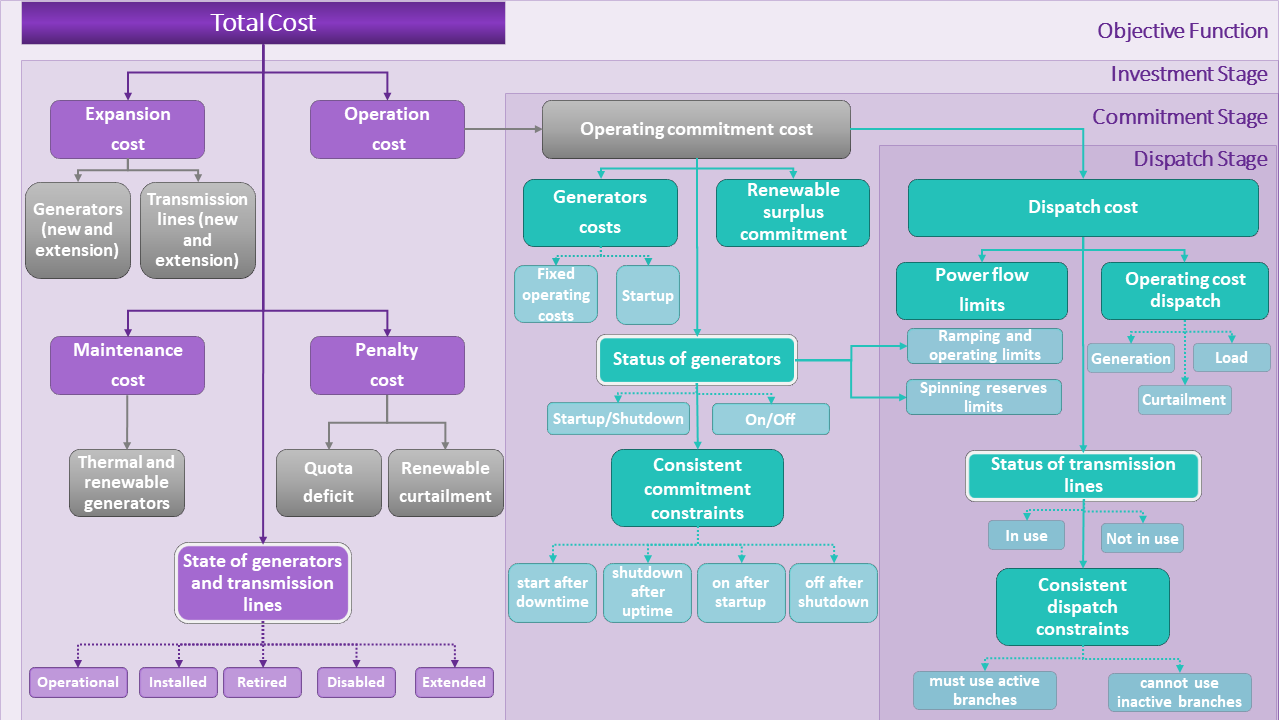
Figure 1. Modular representation of the three stages included in the GTEP model formulation.
In the following section, we provide a more detailed explanation of these stages and how they are defined in the model.
Model Formulation and Construction
To develop the GTEP model in Figure 1, we start by splitting the formulation into three key stages:
Investment stage: Estimates relevant investment costs such as installation, expansion (which includes the installation of new selected generation units), operating costs, penalty, and maintenance costs. These costs include representative costs for both thermal and renewable generators as well as transmission equipment (e.g., transmission lines). Additionally, it declares a discrete decision (represented as a disjunction through the GDP formulation) to determine the operational state of the generation and transmission equipment (operational, retired, etc.) that can potentially influence the investment costs.
Commitment stage: Determines the operational status of the generators (set as a disjunction) while considering relevant operational costs and constraints to ensure a reliable power generation service. Additionally, it establishes operating limits considering the availability of the equipment from the dispatch stage.
Dispatch stage: Defines the status of transmission lines using a discrete decision (set as a disjunction) while considering operational costs, operability limits (such as power flow, ramping, reserves, etc.), and constraints to ensure the effective use of the active power lines.
Additionally, we include a data allocation step (prior to the formulation of the three stages) that assigns all relevant operating and cost parameters of the model. Since we are considering this as a data preprocessing step, not a stage in the formulation, this step is not represented in Figure 1.
Below we outline the steps we followed to construct the GTEP model. Note that the first four steps correspond directly to the stages described above (in some steps, the description is accompanied by example code).
Step 1: Data allocation
The initial step to create this model is to import the necessary libraries.
import json
import numpy as np
import math
from math import ceil

# Import Pyomo components
from pyomo.environ import *
from pyomo.environ import units as u
from pyomo.common.timing import TicTocTimer
from pyomo.repn.linear import LinearRepnVisitor

from egret.data.model_data import ModelData
from egret.model_library.transmission.tx_utils import scale_ModelData_to_pu
from config_options import _get_model_config

# Import IDAES-GTEP functions
from gtep.gtep_model import model_data_references
from gtep.gtep_model import model_create_investment_stages
from gtep.gtep_model import create_objective_function
Continue the creation of the GTEP model by including a new Python class, which includes a set of relevant parameters for the solution of the model, as arguments of the function.
class ExpansionPlanningModel:
     """A generalized generation and
        transmission expansion planning model.
     """

     def __init__(
         self,
         config=None,
         stages=1,
         formulation=None,
         data=None,
         num_reps=3,
         len_reps=24,
         num_commit=24,
         num_dispatch=4,
     ):

         self.stages = stages
         self.formulation = formulation
         self.data = data
         self.num_reps = num_reps
         self.len_reps = len_reps
         self.num_commit = num_commit
         self.num_dispatch = num_dispatch
         self.config = _get_model_config()
         self.timer = TicTocTimer()
Inside the ExpansionPlanningModel() class, we create a concrete Pyomo model object using the ConcreteModel component. Within this model, we define several time-dependent parameters for each stage, including:
Number of Commitment and Dispatch Periods, which specifies the total number of periods allocated for the commitment and dispatch stages. These are key to determine the operational status of generators over time and how power flows are managed across the transmission network.
Length of Commitment and Dispatch Periods, which defines the duration of each commitment and dispatch periods. These allow us to model the time intervals during which generators can change their status (on, off, etc.) and evaluate operational decisions made during the power dispatch stage.
def create_model(self):
    """Create concrete Pyomo model object associated with the ExpansionPlanningModel"""

    self.timer.tic("Creating GTEP Model")
    m = ConcreteModel()

    if self.data is None:
        raise
    elif type(self.data) is list:
        m.data_list = self.data
        m.md = scale_ModelData_to_pu(self.data[0])

    model_set_declaration(
        m, self.stages,
        rep_per=[i for i in range(1, self.num_reps + 1)]
    )
    m.representativePeriodLength = Param(
        m.representativePeriods,
        within=PositiveReals,
        default=24,
        units=u.hr
    )
    m.numCommitmentPeriods = Param(
        m.representativePeriods,
        within=PositiveIntegers,
        default=2,
        initialize=self.num_commit,
    )
    m.numDispatchPeriods = Param(
        m.representativePeriods,
        within=PositiveIntegers,
        default=2,
        initialize=self.num_dispatch,
    )
    m.commitmentPeriodLength = Param(
        within=PositiveReals,
        default=1,
        units=u.hr
    )
    m.dispatchPeriodLength = Param(
        within=PositiveReals,
        default=15,
        units=u.min
    )
Create and label data in the model using a data pre-processing function. This function ties the input data directly to the model by assigning values to all parameters. Look at the Data section for more information.
model_data_references(m)
Step 2: Define Investment Stage
We define the investment stage using a Pyomo Block component. This block includes all relevant cost variables and constraints associated with generation and transmission equipment including operating, expansion, maintenance, and penalty costs. Additionally, it incorporates a discrete decision using a Pyomo.GDP Disjunction component to define the operational status of generation and transmission equipment, while considering a series of linking constraints to monitor the operational, installed, and retired states of the equipment. Table 1 presents a list of these key components, including their definition.
In the GTEP model, we include the pre-defined function below that incorporates all these components.
model_create_investment_stages(m, self.stages)
During the calculation of the operating costs in this stage, we establish a connection with the commitment and dispatch stages. For this, we define a second Pyomo Block component for the commitment stage. Figure 2 illustrates this interconnection and how these relationships propagate throughout the formulation.
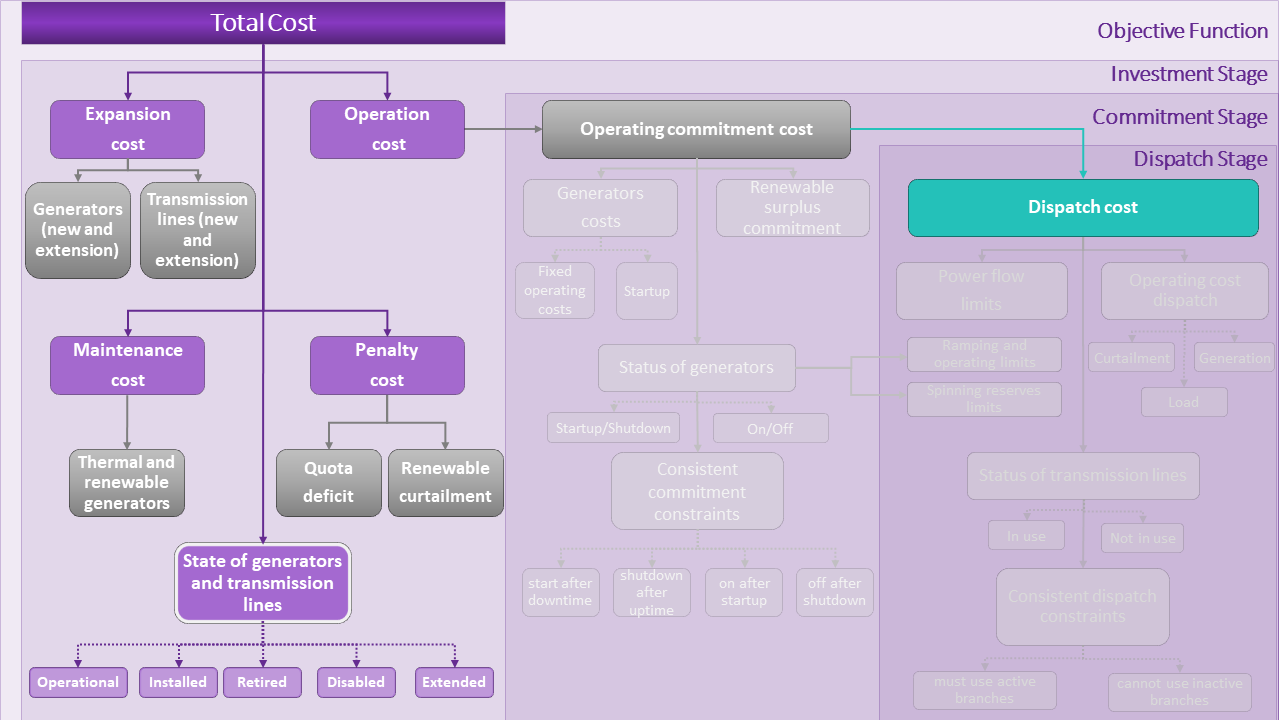
Figure 2. Modular representation of the investment stage.
Table 1: Model components (parameters, variables, constraints, and disjunctions) in the investment stage Component
Type
Definition
representativePeriods
Set
Representative periods for the investment stage
commitmentPeriods
Set
Commitment periods in the investment stage
dispatchPeriods
Set
Dispatch periods in the investment stage
maxThermalInvestment
Parameter
Maximum investment for thermal generators
maxRenewableInvestment
Parameter
Maximum investment for renewable generators
renewableSurplusRepresentative
Variable
Minimum renewable generation requirement per stage
renewableOperational
Variable
Power provided to the grid by renewable generator at operation
renewableInstalled
Variable
Power provided to the grid by renewable generator at installation
renewableRetired
Variable
Power removed from the grid if renewable generator is retired
renewableExtended
Variable
Power provided to the grid if renewable generator lifetime is extended
quotaDeficit
Variable
Deficit for investment stage
expansionCost
Variable
Cost of investment for new installed generators and transmission lines
renewableCurtailmentInvestment
Variable
Curtailment penalties for investment stage
operatingCostInvestment
Expression
Operating cost for investment period
investStatus
Disjunction
Discrete decision to determine the status for generation investment. The alternatives, expressed as disjuncts in the model are: genOperational, genInstalled, genRetired, genDisabled, and genExtended
branchInvestStatus
Disjunction
Discrete decision to determine the status for the transmission equipment investment. The alternatives (as disjuncts) are: branchOPerational, branchInstalled, branchRetired, branchDisabled, and branchExtended
gen_stats_link
Constraint
Propagate the thermal generators status considering their previous state
renewable_stats_link
Constraint
Propagate the renewable generators status considering their previous state
renewable_retirement
Constraint
Propagate the renewable generation retirement status based on previous state and lifetime of renewable equipment
consistent_extended
Logical constraint
If a generator is extended at time t, it must stay extended or retired at time t
consistent_branch_operation
Logical constraint
If a branch is online at time t, it must have been on or installed at time t-1
consistent_branch_operation_future
Logical constraint
If a branch is online at time t, it must be on, extended, or retired at time t+1
consistent_branch_extended
Logical constraint
If a branch is extended at time t-1, it must stay extended or be retired at time t
consistent_operation
Logical constraint
If a generator is online at time t, it should be online or installed at time t-1
consistent_operation_future
Logical constraint
If a generator is online at time t, it can be online, extended, or retired at time t+1
consistent_branch_disabled
Logical constraint
If a branch is disabled at time t-1, it must stay disabled or be installed at time t
full_retirement
Logical constraint
If a generator is retired at time t-1, it should be disable at time t
full_investment
Logical constraint
Installation in period t-1 implies operational in period t
full_branch_retirement
Logical constraint
Retirement in period t-1 implies disabled in period t
full_branch_investment
Logical constraint
Installation in period t-1 implies operational in period t
Step 3: Define Commitment Stage
Within the commitment block defined in step 2(a), we incorporate the commitment periods and introduce relevant components to ensure that the operation of transmission and generation equipment aligns with their designated statuses. During this stage, we also introduce cost and operational constraints that are contingent upon the commitment decisions and the outcomes of the dispatch stage. Table 2 provides a detailed overview of the components in the commitment stage of the model formulation.
Figure 3 illustrates the various components utilized in this stage, highlighting the terms that connect to the dispatch stage.
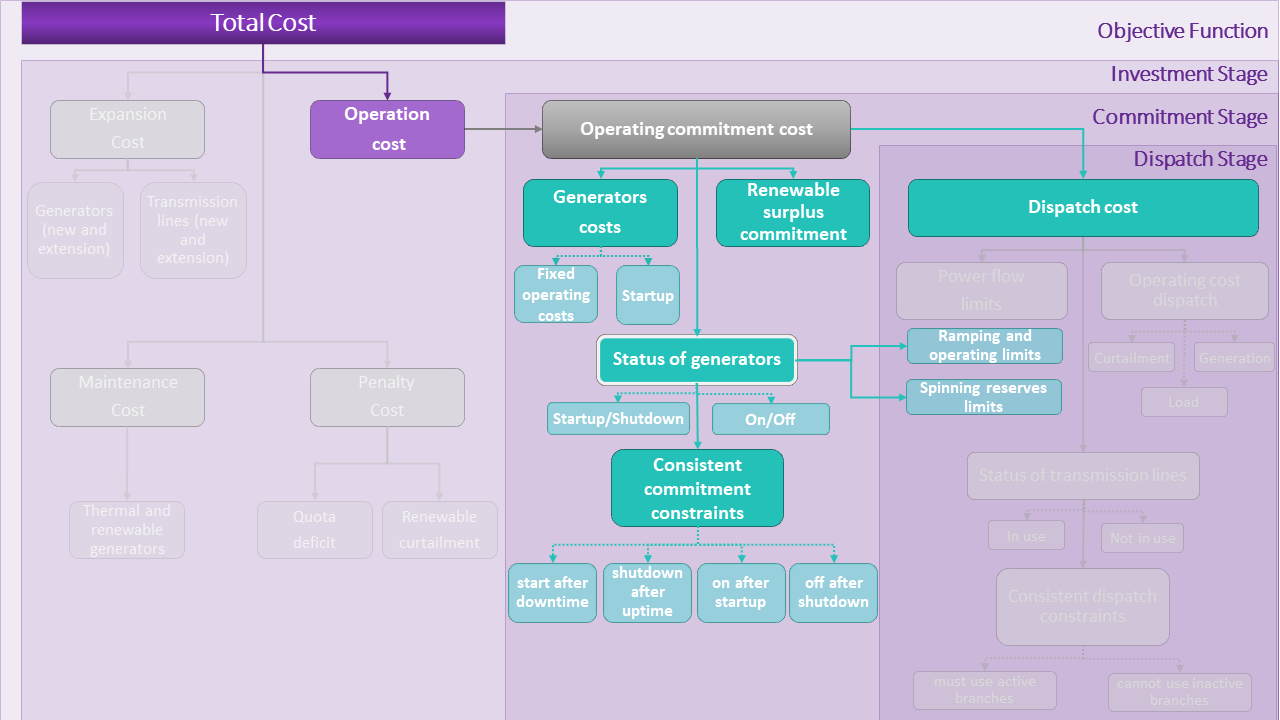
Figure 3. Modular representation of the commitment stage.
Table 2: Components in the commitment stage Component
Type
Description
dispatchPeriods
Set
Number of dispatch periods
carbonTax
Parameter
Carbon tax
renewableSurplusCommitment
Expression
Total renewable surplus/deficit for commitment
operatingCostCommitment
Expression
Define total operating costs for commitment
renewableCurtailmentCommitment
Expression
Define total curtailment for commitment
genStatus
Disjunction
Discrete decision to set the status of the generation equipment. The alternatives, as disjuncts are: genOn, genStartup, genShutDown, and genOff.
consistent_commitment_shutdown
Logical constraint
consistent_commitment_off_after_shutdown
Logical constraint
consistent_commitment_startup
Logical constraint
consistent_commitment_on_after_startup
Logical Constraint
consistent_commitment_uptime
Logical Constraint
consistent_commitment_shutdown_after_uptime
Logical Constraint
consistent_commitment_downtime
Logical Constraint
consistent_commitment_start_after_downtime
Logical Constraint
commit_active_gens_only
Logical constraint
Generators cannot be committed unless they are operational or just installed
Step 4: Define Dispatch Stage
This stage incorporates all key variables and constraints associated with the dispatch problem, including operational limits for generation and curtailment, as well as definitions for load shedding and surplus dispatch. Additionally, this stage outlines the costs associated with these variables. Table 3 and Figure 4 provide a more detailed description of these components and their definitions in the formulation.
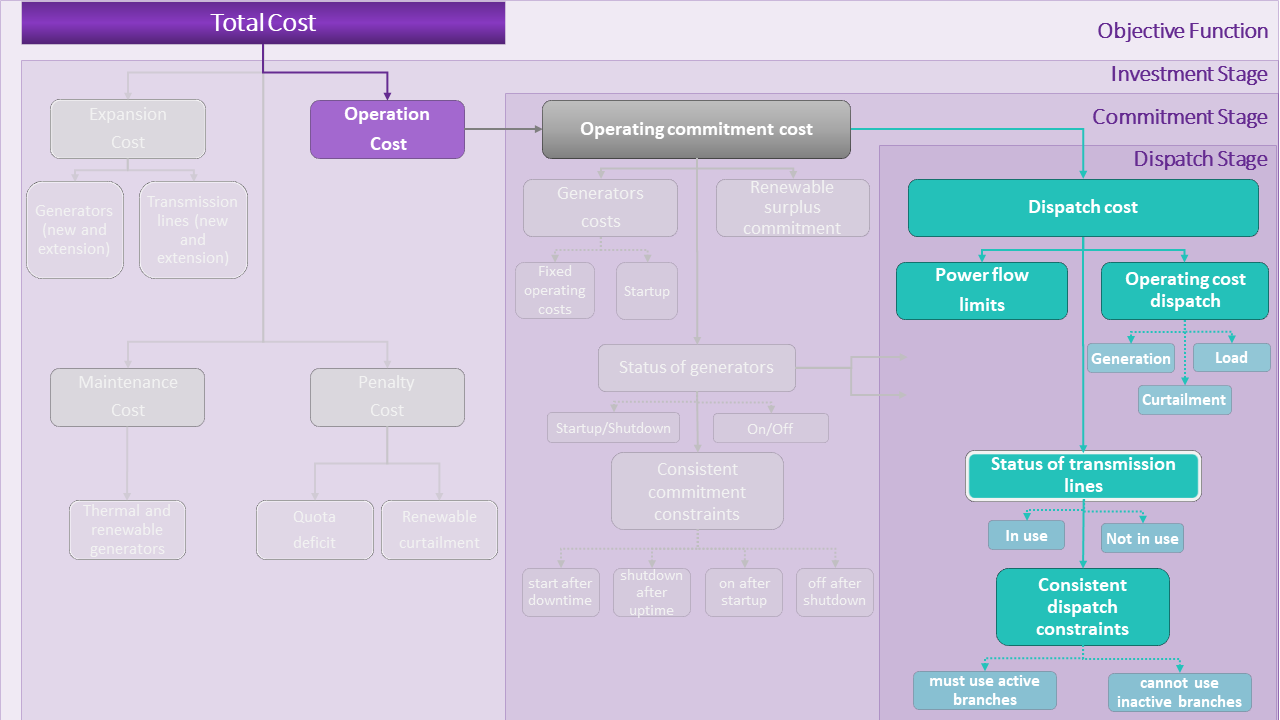
Figure 4. Modular representation of the dispatch stage.
Table 3: Components in dispatch stage Component
Type
Description
thermalGeneration
Variable
Thermal generation power during the dispatch stage
renewableGeneration
Variable
Renewable generation power during the dispatch stage
renewableCurtailment
Variable
Amount of curtailed renewable power
spinningReserve
Variable
quickstartReserve
Variable
powerFlow
Variable
Power flow
renewableGenerationSurplus
Expression
Power surplus per renewable generator
renewableCurtailmentCost
Expression
Cost of curtailment per renewable generator
generatorCost
Expression
Thermal generator cost based on the fuel cost
loadShedCost
Expression
Load shed cost per bus
branchInUseStatus
Disjunction
Discrete decision to determine the status of the transmission equipment. The alternatives are: branchInUse (which includes the DC OPF equations) and branchNotInUse (which fixes power flow to zero).
must_use_active_branches
Logical constraint
If a branch is in use, it must be active
cannot_use_inactive_branches
Logical constraint
If a branch is not in use, it must be inactive
- Step 5: Define objective function
Once the data and blocks for the different stages are incorporated, we define the total cost as the objective function using the Pyomo Objective component. The total cost includes not only investment costs, but also operating, expansion, and penalty costs that connect all the stages in the formulation. The objective function is integrated within the following pre-defined function.
create_objective_function(m)
- class gtep.gtep_model.ExpansionPlanningModel(config=None, stages=1, formulation=None, data=None, cost_data=None, num_reps=3, len_reps=24, num_commit=24, num_dispatch=4, duration_dispatch=15)
A generalized generation and transmission expansion planning model.
- create_model()
Create concrete Pyomo model object associated with the ExpansionPlanningModel
- report_large_coefficients(outfile, magnitude_cutoff=100000.0)
Dump very large magnitude (>= 1e5) coefficients to a json file.
- Outfile:
should accept filename or open file and write there; (see how we do this in pyomo elsewhere)
- Magnitude_cutoff:
magnitude above which to report coefficients
- report_model(outfile='pretty_model_output.txt')
Pretty prints Pyomo model to outfile.
- Outfile:
(str, optional) _description_. Defaults to “pretty_model_output.txt”.
- gtep.gtep_model.add_commitment_constraints(b, comm_per)
Add commitment-associated disjunctions and constraints to representative period block.
- gtep.gtep_model.add_commitment_variables(b, commitment_period)
Add variables and disjuncts to commitment period block.
- gtep.gtep_model.add_dispatch_constraints(b, disp_per)
Add dispatch-associated inequalities to representative period block.
- gtep.gtep_model.add_dispatch_variables(b, dispatch_period)
Add dispatch-associated variables to representative period block.
- gtep.gtep_model.add_investment_constraints(b, investment_stage)
Add standard inequalities (i.e., those not involving disjunctions) to investment stage block.
- gtep.gtep_model.add_investment_variables(b, investment_stage)
Add variables to investment stage block.
- Parameters:
b – Investment block
investment_stage – Investment stage index or name
- Returns:
None
- gtep.gtep_model.add_storage_constraints(m, b, commitment_period)
Battery Discharging Constraints
- gtep.gtep_model.commitment_period_rule(b, commitment_period)
Create commitment period block.
- Parameters:
b – commitment period block
commitment_period – corresponding commitment period label
- gtep.gtep_model.create_objective_function(m)
Creates objective function. Total cost is operating cost plus expansion cost plus penalty cost (penalties include generation deficits, renewable quota deficits, and curtailment) :param m: Pyomo GTEP model.
- gtep.gtep_model.investment_stage_rule(b, investment_stage)
Creates investment stage block.
- B:
Investment block
- Investment_stage:
ID for current investment stage
- gtep.gtep_model.model_create_investment_stages(m, stages)
Creates investment blocks and linking constraints for GTEP model. Largely manages retirements and links operational units in a given investment stage to operational + installed - retired in the previous investment stage.
- M:
Pyomo model object
- Stages:
Number of investment stages in planning horizon
- gtep.gtep_model.model_data_references(m)
Creates and labels data for GTEP model; ties input data to model directly. :param m: Pyomo model object
- gtep.gtep_model.model_set_declaration(m, stages, rep_per=['a', 'b'], com_per=2, dis_per=2)
Creates Pyomo Sets necessary (convenient) for solving the GTEP model.
- M:
Pyomo model object
- Stages:
Number of stages in investment horizon
- gtep.gtep_model.representative_period_rule(b, representative_period)
Create representative period block.
- B:
Representative period block
- Representative_period:
corresponding representative period label